
Glass & Glazing
Specialist glass and glazing systems engineered for performance — warmer rooms, quieter homes, safer openings and lower bills, year after year.
Self-cleaning Glass
Self-cleaning glass is coated with a microscopically thin layer of titanium dioxide that does two clever things at once. Daylight (specifically UV) breaks down organic dirt — leaves, bird droppings, atmospheric pollution — on the surface; and the same coating is hydrophilic, meaning rainwater spreads out as a thin sheet rather than droplets, washing the loosened dirt away cleanly without streaks.
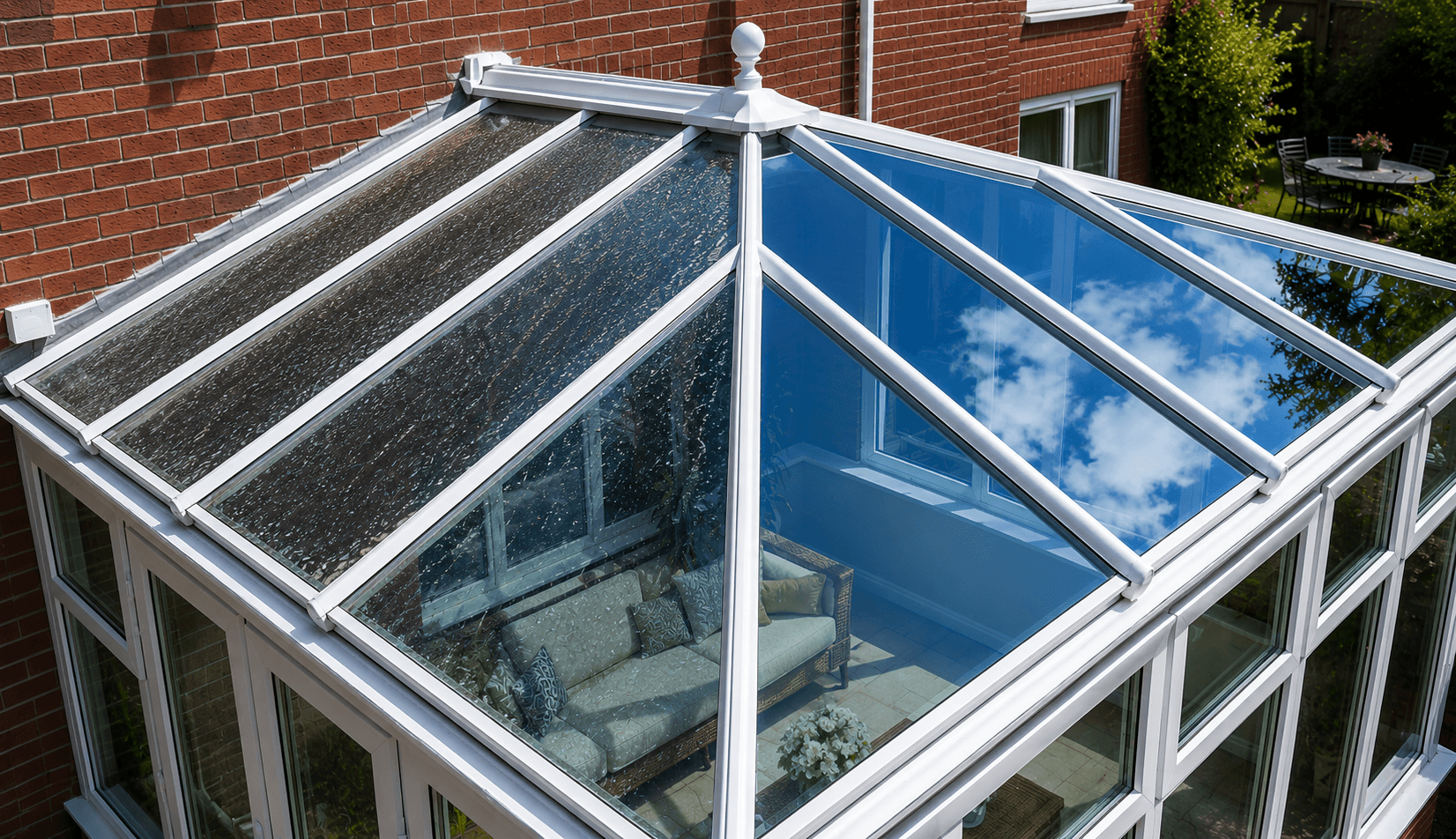
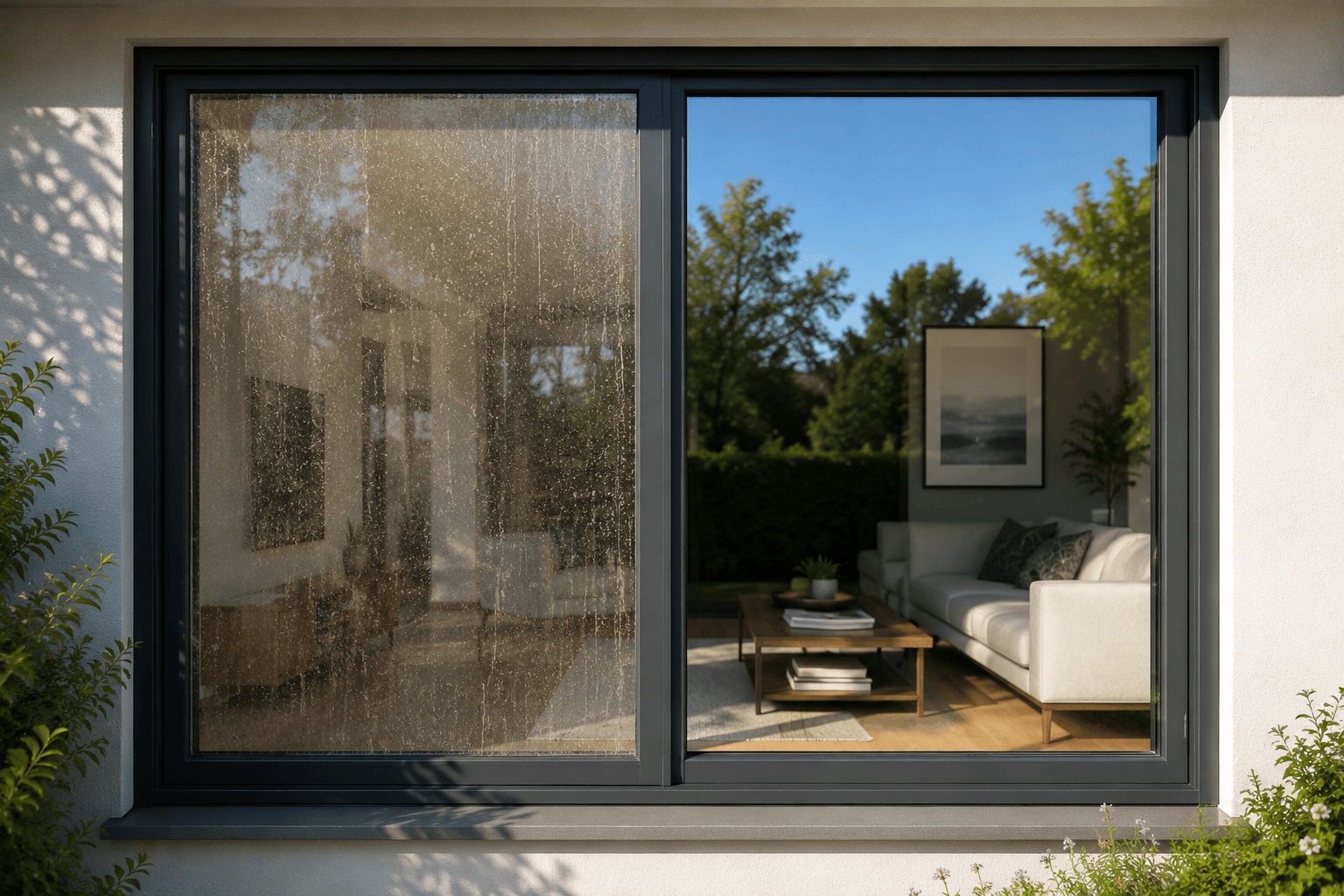
Cleans Itself With Daylight & Rain
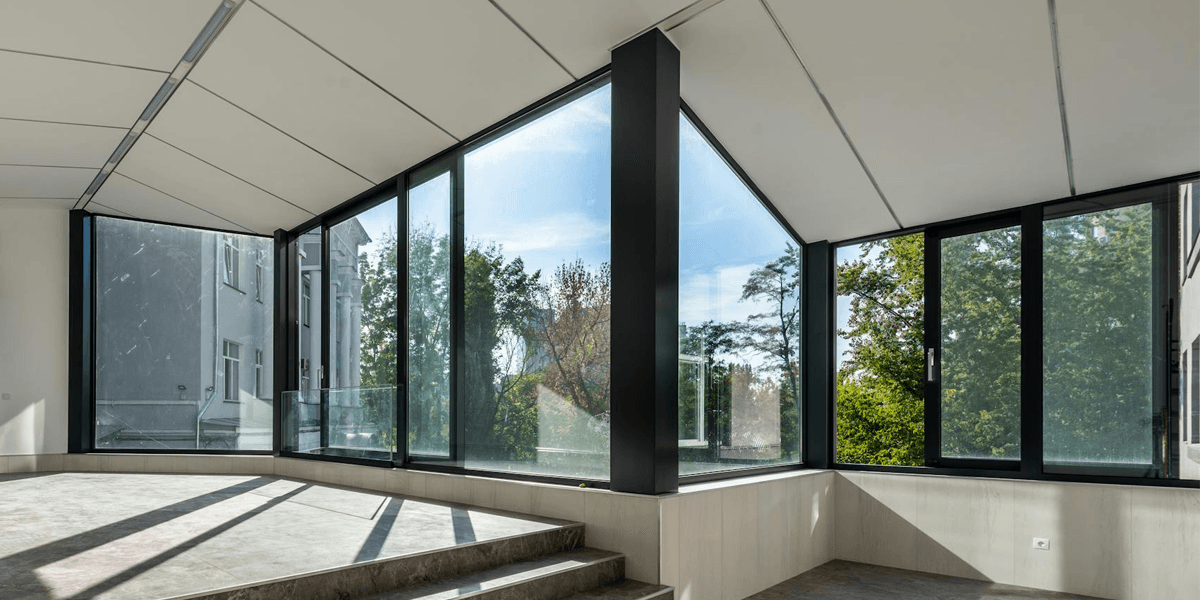
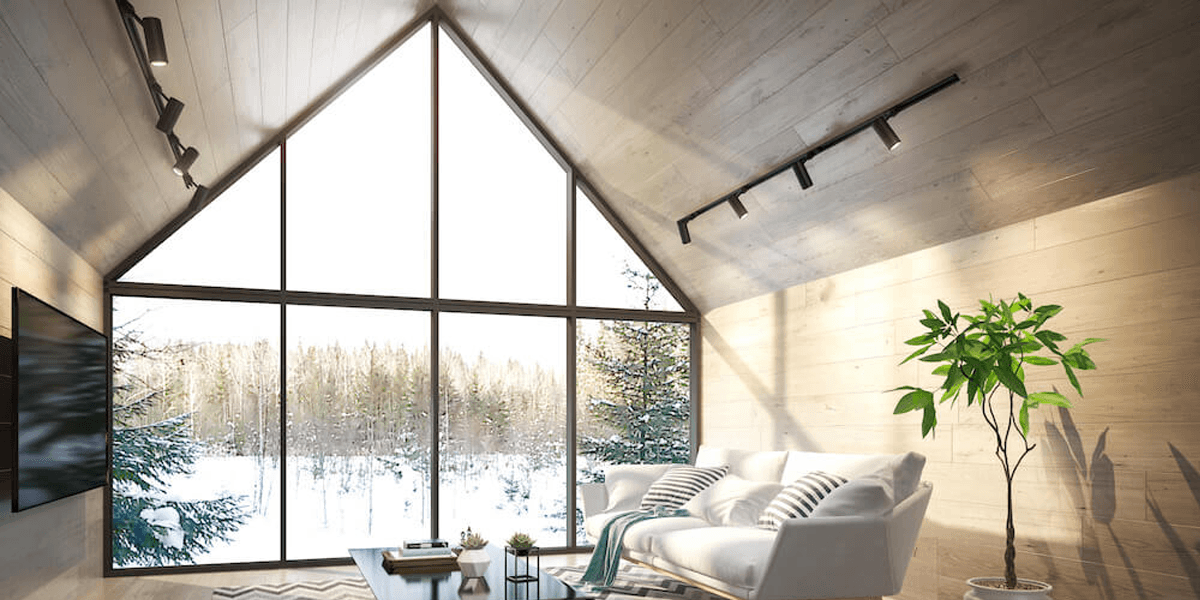
It's the natural choice for any glass that's hard to reach or expensive to clean — conservatory roofs, roof lanterns, large picture windows, upper-floor windows and oversized glazed gables. The coating works automatically every time it rains, so the glass stays consistently clearer for longer with no maintenance from you.
- Titanium dioxide coating breaks down dirt
- Rainwater washes residue away cleanly
- Reduces window-cleaning frequency dramatically
- Ideal for roofs, lanterns & upper floors
- Compatible with Low-E and double-glazed units
- Permanent coating — never wears off
Coating, Not A Compromise
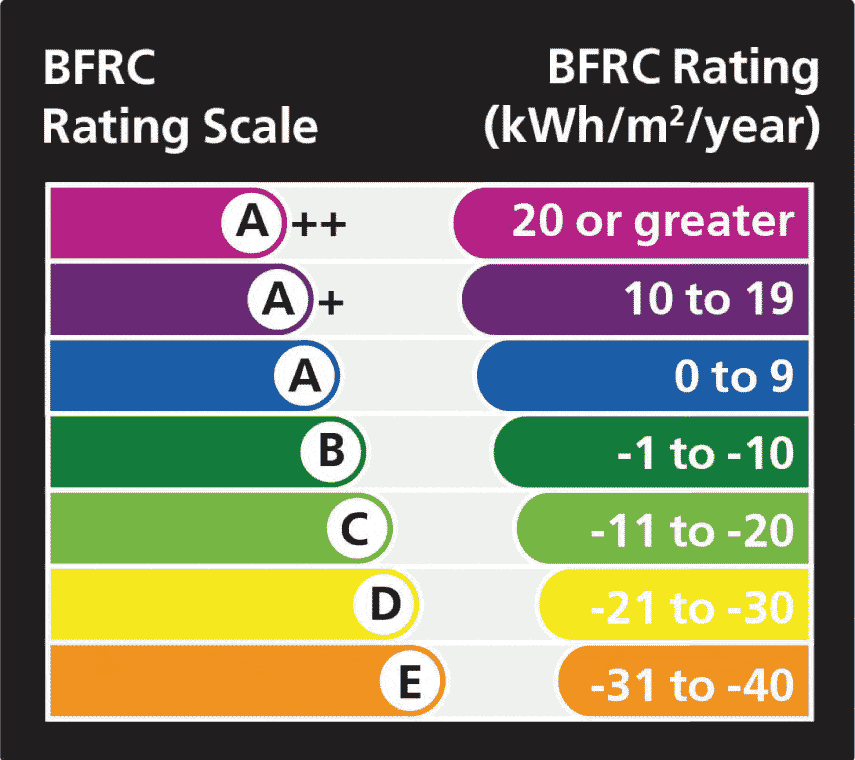
The self-cleaning coating doesn't affect thermal performance — sealed units perform in line with standard double or triple glazing. Combined with Low-E coatings on the inner surface, A and A+ BFRC ratings are achievable while keeping the glass cleaner for longer.
How To Verify
Ask whether the self-cleaning glass is paired with a Low-E coating in the sealed unit, and check the BFRC rating on the complete window. Confirm the coating is fused to the glass (not a film or spray applied later).
Get a free, no-obligation quote
Tell us a little about your project and our experts will put together a tailored quote — usually within one working day.
- FENSA-registered installers
- 10-year insurance-backed guarantee
- Over 30 years of expertise
- Free, no-obligation site survey
Self-cleaning Glass — common questions
More in Glass & glazing
Smart Glass
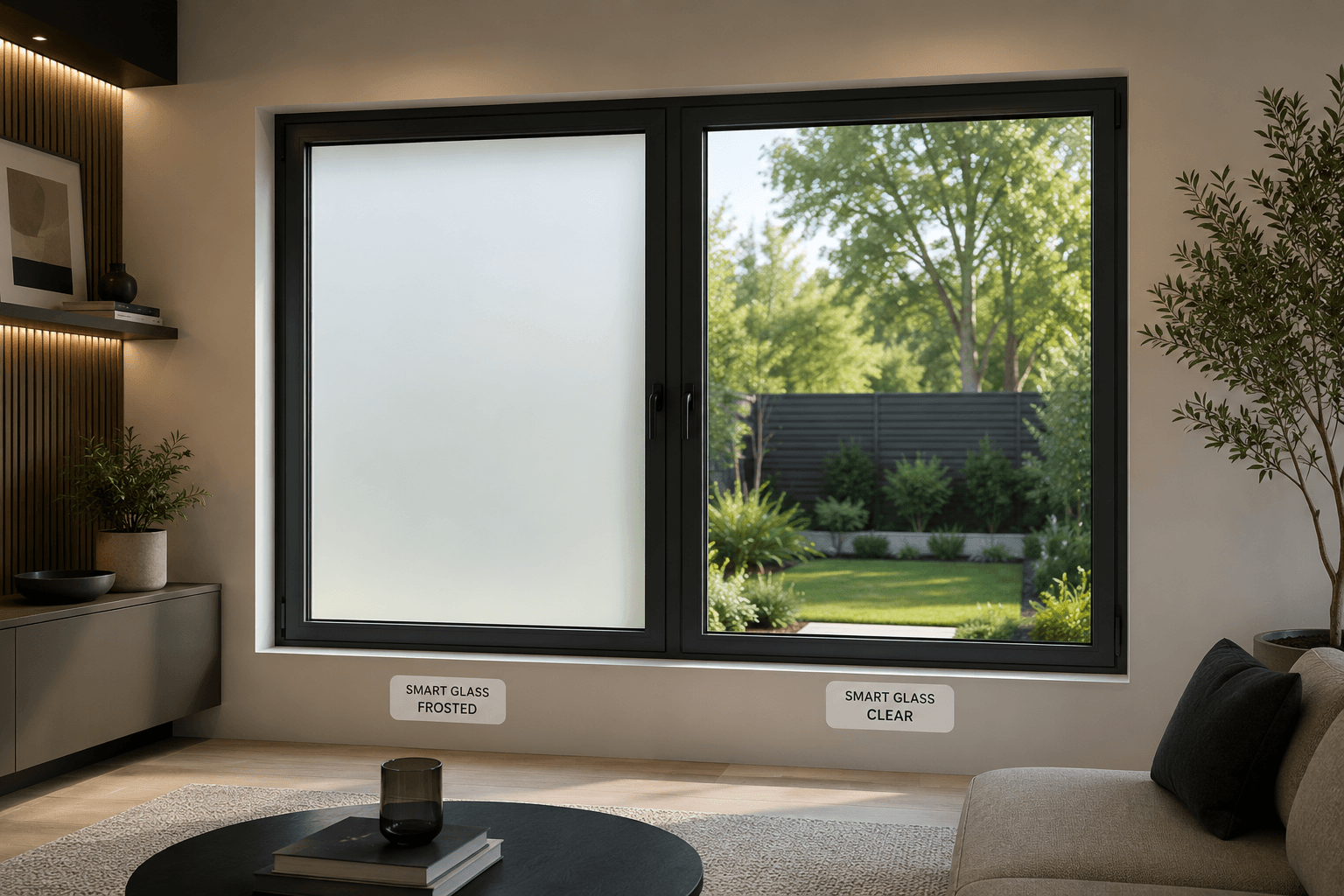
Switchable smart glass that goes from clear to opaque at the touch of a button — privacy on demand, with no blinds or curtains.
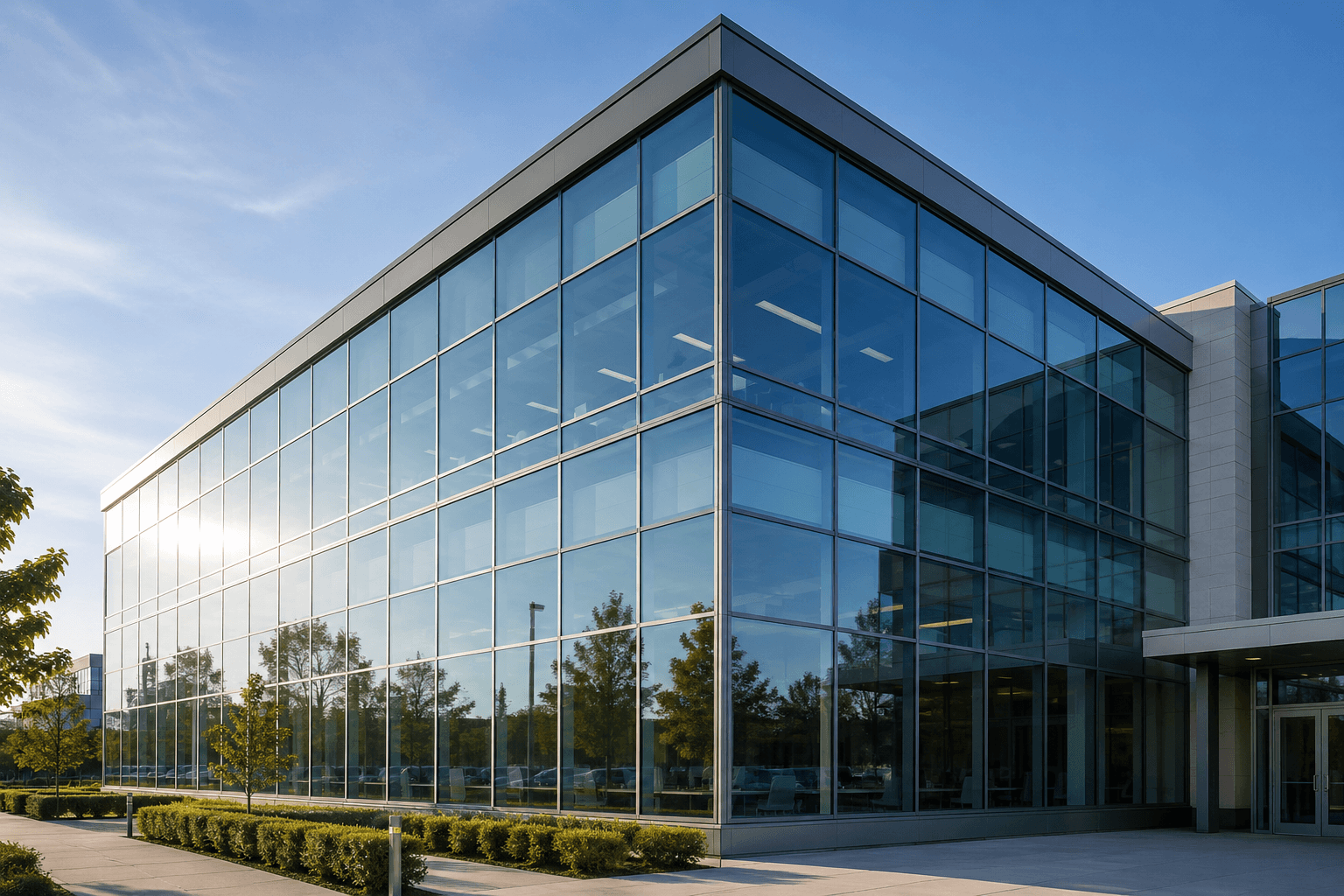
Low-E Glass
Low-emissivity glass with a microscopic metal coating that reflects heat back into the room while letting daylight pass through.
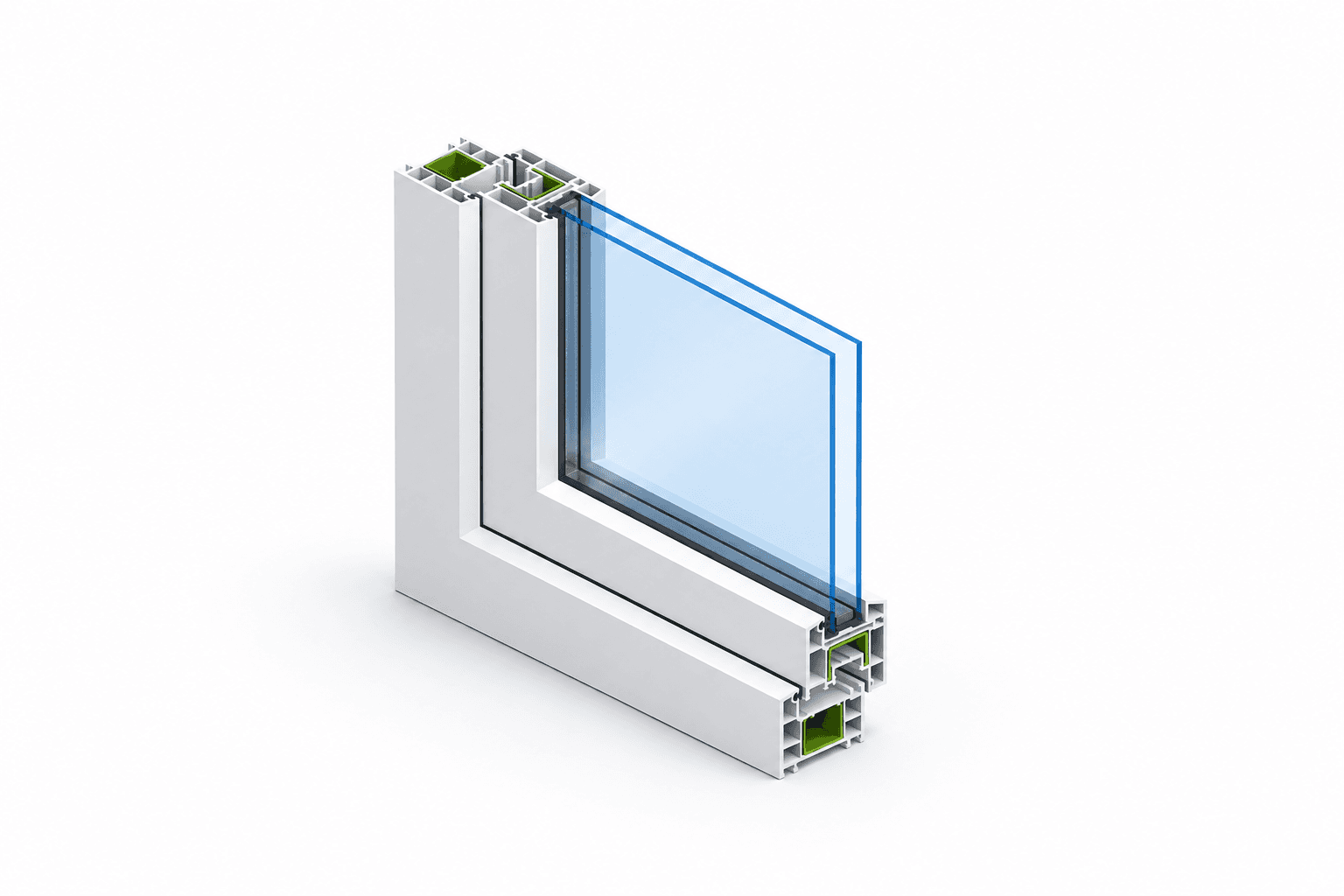
Double Glazing
A-rated double glazing fitted in uPVC, aluminium and timber frames — the modern UK standard for warmer rooms and lower bills.
Save £250 — Get a Free Quote
From residential homes to commercial buildings, we deliver high-quality glazing solutions with expert craftsmanship. Every project is carried out with precision, durability, and meticulous attention to detail.
Get Quote