
Glass & Glazing
Specialist glass and glazing systems engineered for performance — warmer rooms, quieter homes, safer openings and lower bills, year after year.
Low-E Glass
Low-E (low-emissivity) glass has a microscopically thin metal-oxide coating applied to one surface — typically inside a sealed unit. The coating is invisible to the eye but acts like a one-way mirror for heat: it reflects long-wave thermal radiation (room heat) back into the building while letting short-wave solar daylight pass through normally.


Reflects Heat, Welcomes Daylight
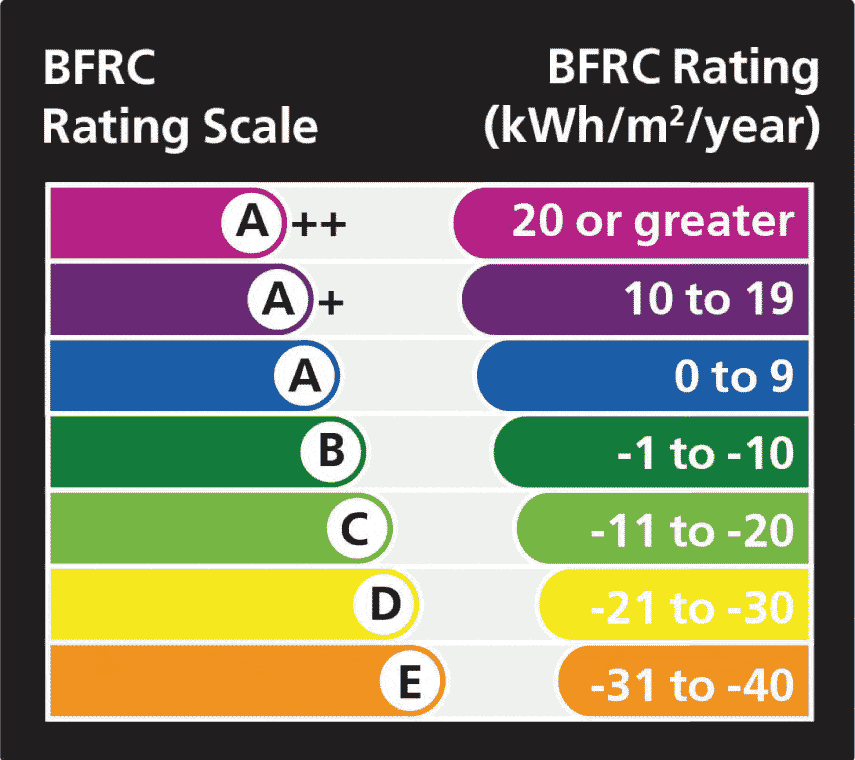
The result is glazing that punches well above its weight on thermal performance. A standard double-glazed unit with a soft-coat Low-E layer can drop its centre-pane U-value to 1.0 W/m²K or below — pushing it firmly into A and A+ BFRC territory. It's now the standard specification on virtually every quality double or triple-glazed window we install.
- Microscopic metal-oxide coating reflects heat
- Drops U-values to 1.0 W/m²K or below
- Soft-coat (best performance) or hard-coat options
- Invisible to the eye — no visual difference
- Standard in modern A and A+ rated units
- Compatible with all our frame materials
High-Performance Insulation
Low-E coatings can drop a double-glazed sealed unit's U-value to around 1.0 W/m²K or below — among the most thermally efficient glass options available. Triple-glazed units with multiple Low-E coatings achieve 0.7 W/m²K or lower.
How To Verify
Ask whether the unit uses soft-coat or hard-coat Low-E (soft-coat is the better performer inside a sealed unit), and look for an A or A+ BFRC rating on the finished window. Confirm the centre-pane U-value with the installer.
Get a free, no-obligation quote
Tell us a little about your project and our experts will put together a tailored quote — usually within one working day.
- FENSA-registered installers
- 10-year insurance-backed guarantee
- Over 30 years of expertise
- Free, no-obligation site survey
Low-E Glass — common questions
More in Glass & glazing
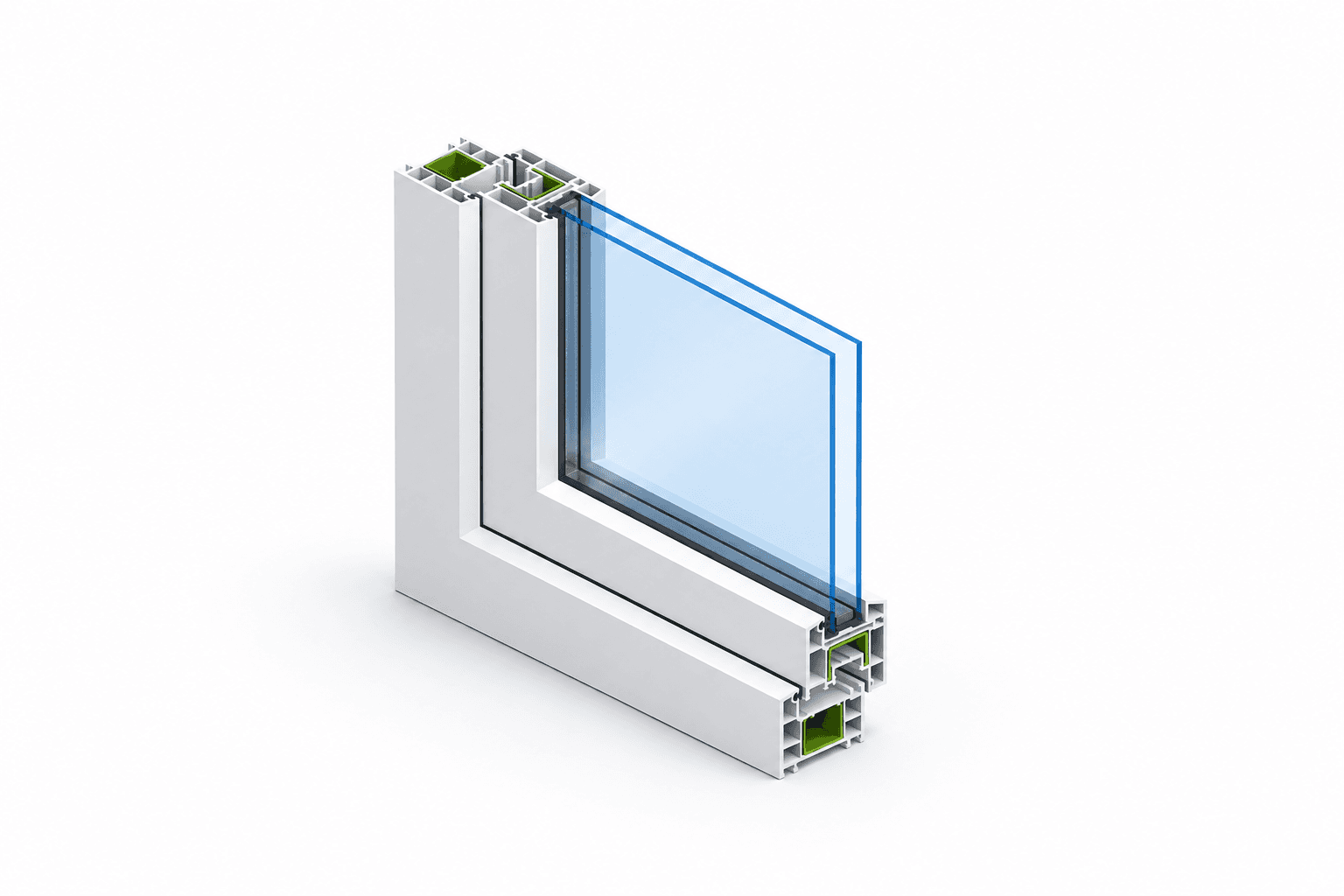
Double Glazing
A-rated double glazing fitted in uPVC, aluminium and timber frames — the modern UK standard for warmer rooms and lower bills.
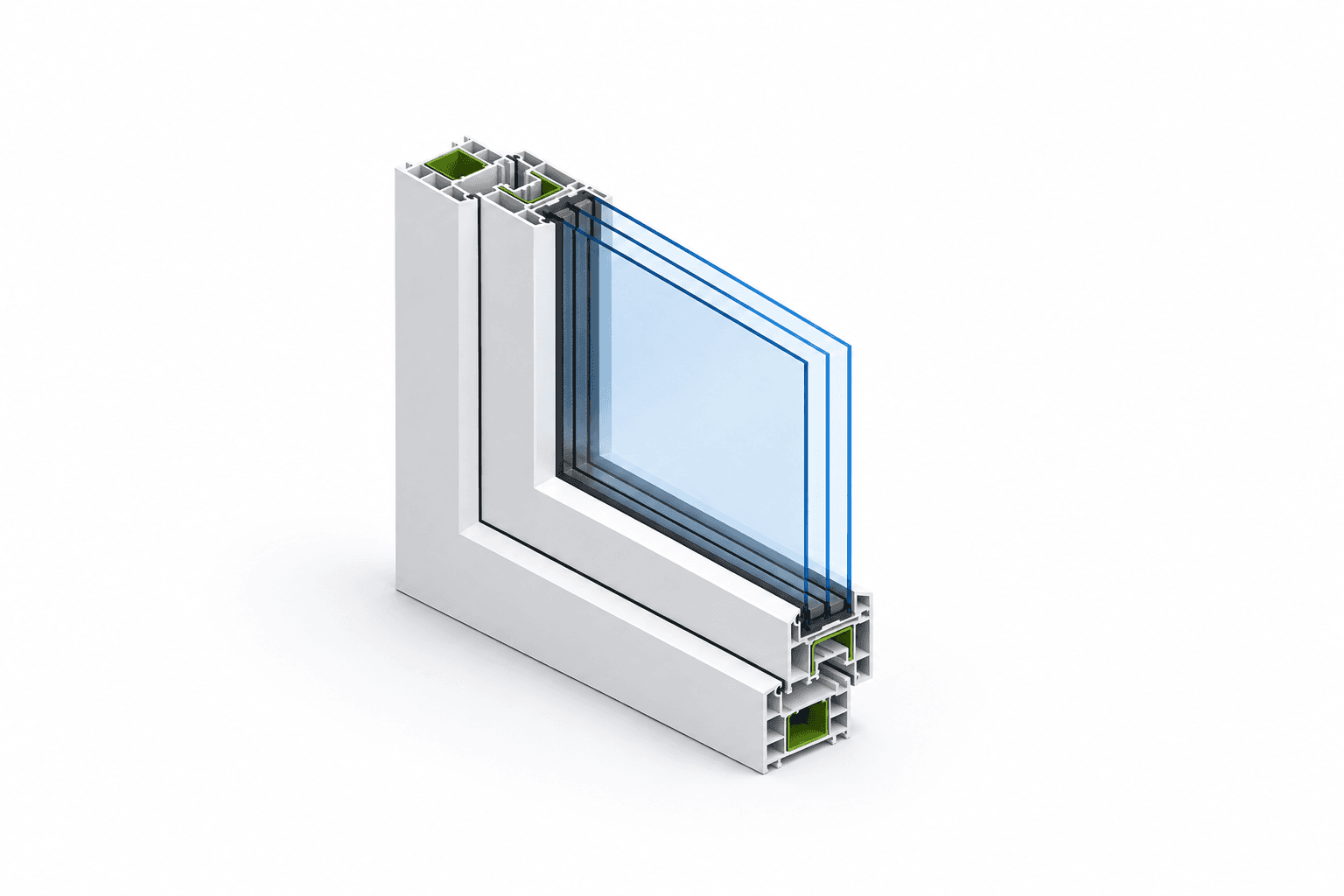
Triple Glazing
Triple-glazed windows for maximum insulation and noise reduction — the premium choice for new builds and exposed properties.
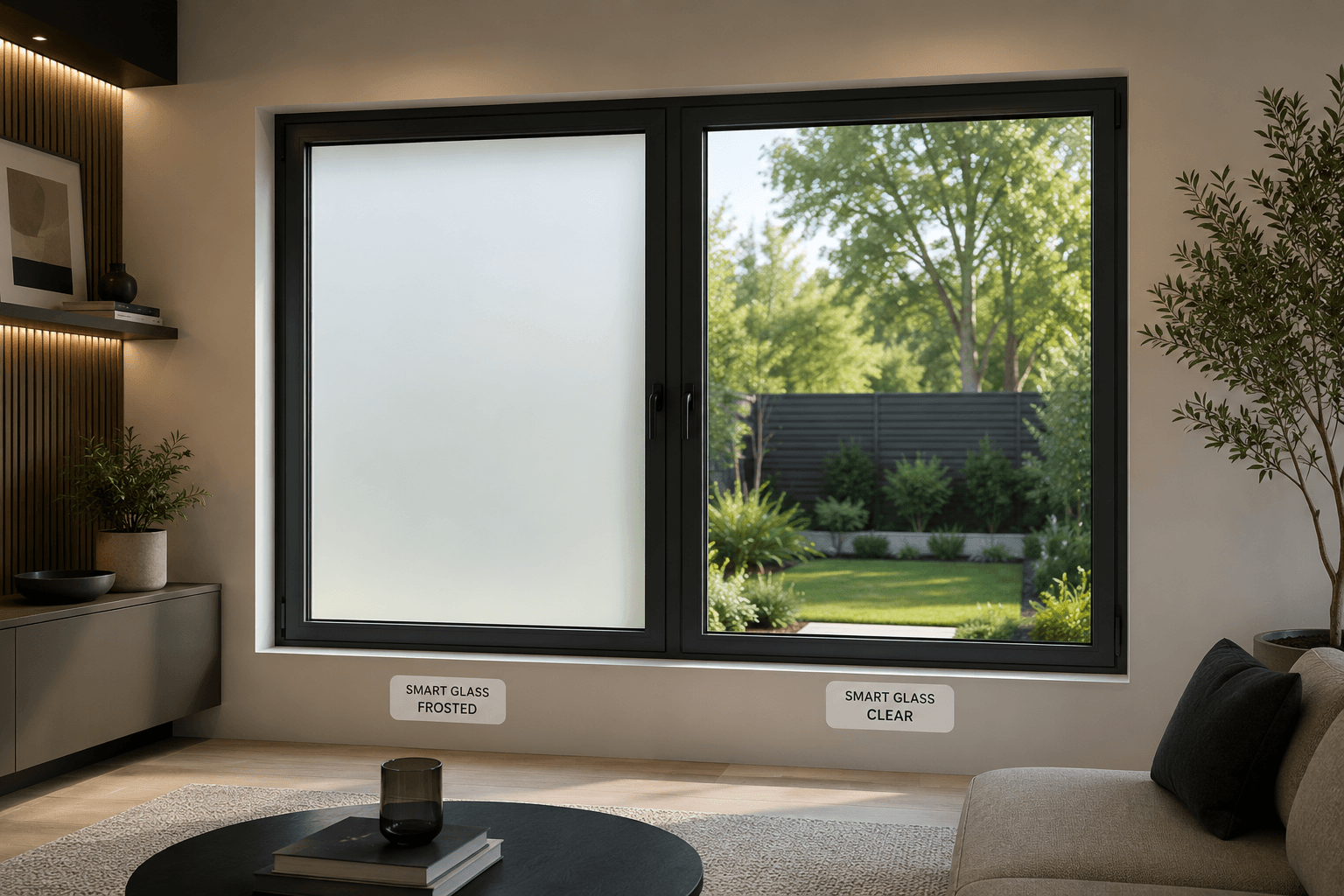
Smart Glass
Switchable smart glass that goes from clear to opaque at the touch of a button — privacy on demand, with no blinds or curtains.
Save £250 — Get a Free Quote
From residential homes to commercial buildings, we deliver high-quality glazing solutions with expert craftsmanship. Every project is carried out with precision, durability, and meticulous attention to detail.
Get Quote